Improper sleep can contribute to a wide range of diseases and issues including diabetes, depression and even cardiovascular disease. Not only this, but frequencies of sleep disorders are on the rise.
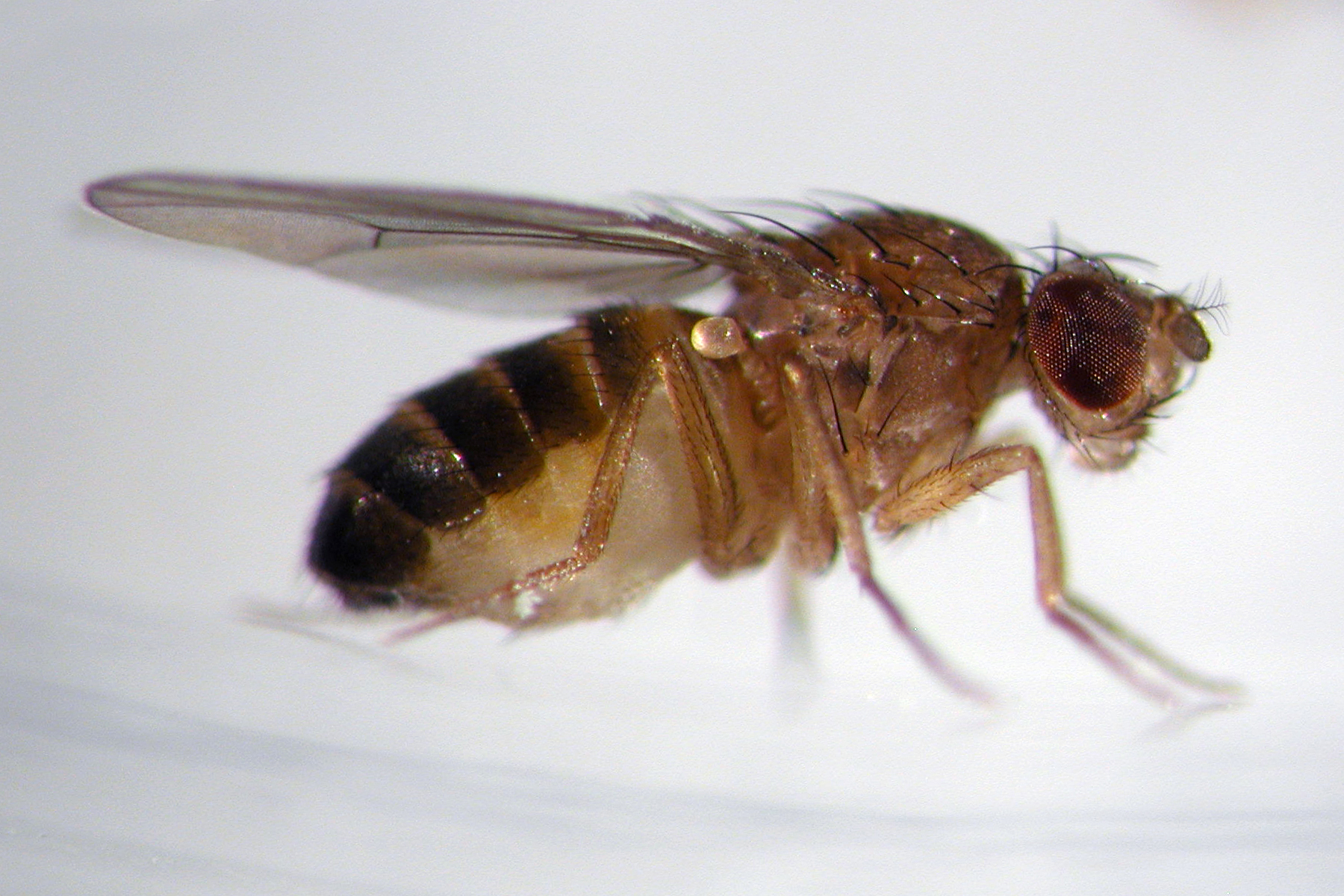
However a team of scientists from the University of Missouri-Kansas City have begun to tackle this problem using a most unexpected research partner - common fruit flies or Drosophila melanogaster. Senior scientist Dr. Jeffrey Price and his team have discovered in their work that the circadian rhythms (sleep/awake cycles) in both humans and fruit flies are controlled by much the same cellular processes.
Price's research targets the enzyme, DBT protein kinase which is responsible for sleep-regulation and also is one of the few targets for drugs aiming to prevent Seasonal Affective Disorder (SAD), insomnia, and even some cancers.
Their experimental approach involved both biochemical and genetics elements. In the biochemical component, normal and mutated versions of DBT protein kinase were incorporated into fly cells and tested to determine how well each would work. The genetic section was slightly different - gene mutations were introduced in the flies to imitate the gene mutations in humans affected with a circadian disorder. 

It was found that the mutated form of DBT protein kinase resulted in a less effective cell, and also that flies with gene mutations in their circadian neurons had very similar disorders as are found in humans with the same mutations. Both of these discoveries confirm that fruit flies are a good model for studying sleeping disorders in humans.
It is hoped that this discovery will further development of drugs that alter the circadian cycle for sufferers of sleeping disorders.
Original Article: http://www.eurekalert.org/pub_releases/2009-01/foas-wic011309.php


No comments:
Post a Comment